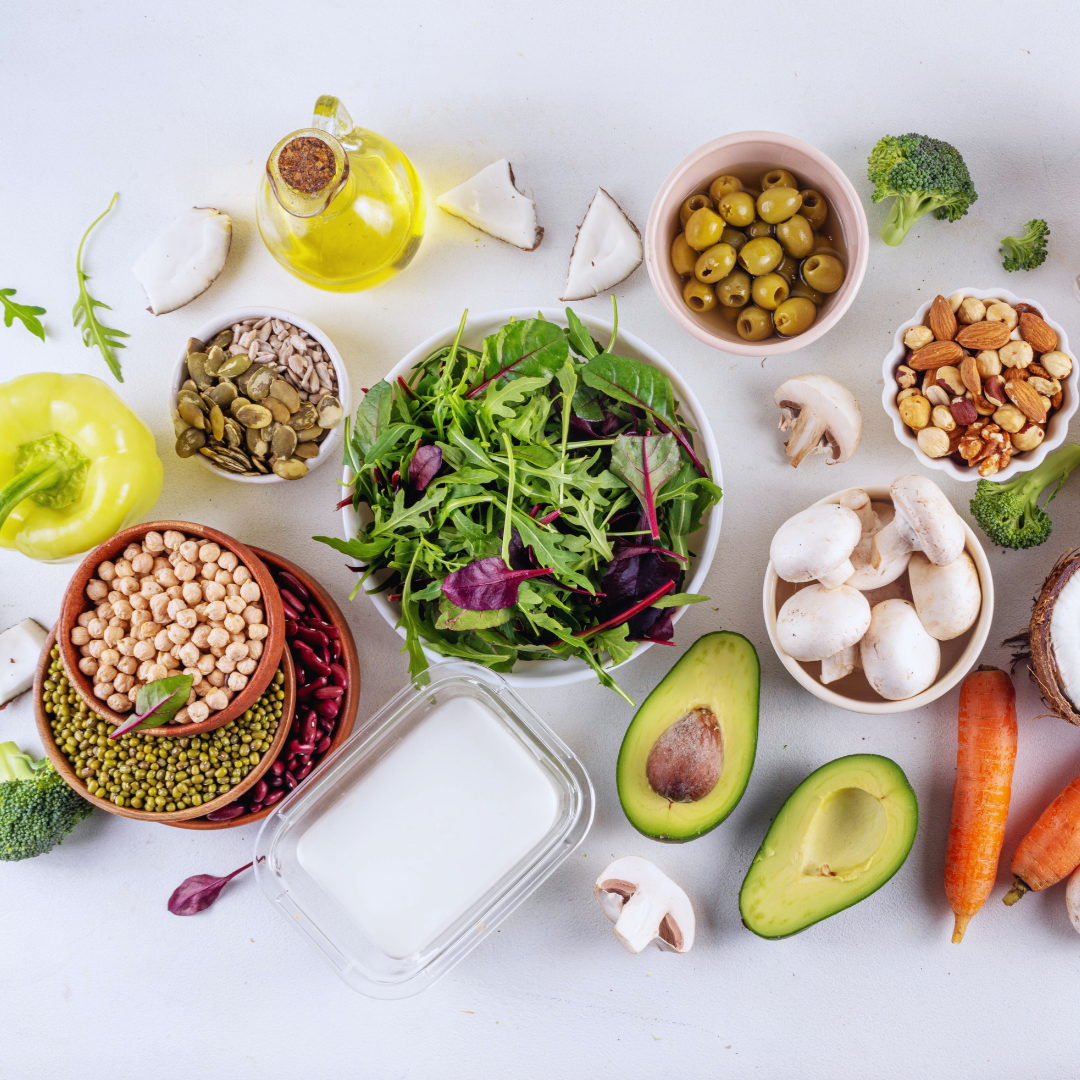
A balanced plant-based diet focuses on combining a variety of foods to meet nutritional needs without relying on animal products. To build balanced plant-based meals, it is important to include sources of protein, healthy fats, fiber, and essential vitamins and minerals from diverse plant foods.
Plant-based eating emphasizes whole grains, legumes, vegetables, fruits, nuts, and seeds to ensure adequate nutrient intake. Healthy eating in this way supports sustained energy and overall well-being by providing a range of macronutrients and micronutrients.
Understanding the components of a balanced plant-based meal helps individuals make informed choices that support their health. This approach makes plant-based meals not only nutritious but also satisfying and easy to incorporate into daily routines.
Core Principles of Building Balanced Plant-Based Meals
A balanced plant-based meal combines essential nutrients to support health and energy. It includes a variety of ingredients that provide protein, fiber, vitamins, and healthy fats. Planning these meals benefits from understanding nutrient sources, portion sizes, and diversity.
The Importance of Macronutrient Balance
Macronutrients include protein, carbohydrates, and fats, all necessary for a balanced plant-based diet. Protein sources like legumes, beans, lentils, nuts, and seeds supply essential amino acids. Combining these ensures adequate protein intake without relying on animal products.
Carbohydrates should come primarily from whole grains, fruits, and vegetables. These provide fiber and micronutrients while maintaining steady energy levels.
Healthy fats from nuts, seeds, avocado, and oils such as olive oil are important for brain function and hormone production. Balancing these macronutrients helps maintain energy and supports overall health.
Benefits of Diverse Plant-Based Ingredients
Incorporating a wide range of plant foods ensures coverage of all nutrient needs. Different legumes, grains, and vegetables contain various vitamins, minerals, and phytochemicals that work together to improve health.
Diversity also reduces the risk of nutrient deficiencies and keeps meals interesting. Including colorful fruits and vegetables provides antioxidants and fiber, while whole grains contribute B vitamins and complex carbs.
Frequent meal prep using diverse ingredients encourages consistent, balanced eating. This approach supports digestion, immune function, and long-term wellness.
Understanding Plant-Based Food Groups
Plant-based meals rely on key food groups for nutritional completeness. Legumes (beans, lentils, chickpeas) provide protein and fiber.
Whole grains like brown rice, quinoa, and oats are important carbohydrate sources with added fiber.
Nuts and seeds offer healthy fats, protein, and minerals such as magnesium and zinc.
Fruits and vegetables supply vitamins, antioxidants, and fiber critical for preventing disease.
Incorporating healthy fats from sources like flaxseeds, chia seeds, and olive oil supports heart health and nutrient absorption.
Balancing portions from these groups ensures meals are nutrient-dense and satisfying.
Key Nutrients to Prioritize in Plant-Based Meal Planning
Balanced plant-based meals must include specific vitamins, minerals, proteins, fiber, and fats to maintain health. Careful selection of foods ensures nutrient sufficiency, especially for those nutrients less abundant in plant sources.
Essential Vitamins and Minerals
Vitamin B12 is crucial but rare in plants, so fortified foods or supplements are often necessary. Vitamin D can come from sunlight exposure, but plant-based sources like fortified plant milks and mushrooms help maintain levels.
Calcium is vital for bone health and found in fortified plant milks, tofu, and leafy greens like kale and bok choy. Iron from plant foods like lentils and spinach is less easily absorbed, so pairing with vitamin C-rich foods enhances absorption.
Zinc supports immune function and is available in beans, nuts, and whole grains, but may require increased intake due to lower bioavailability from plants. Overall, consuming diverse sources of these minerals and vitamins minimizes deficiency risk.
Ensuring Adequate Protein Intake
Plant-based protein comes from legumes, nuts, seeds, whole grains, and soy products like tofu and tempeh. Combining various protein sources helps achieve complete proteins, which contain all essential amino acids.
Daily protein needs depend on body weight and activity, but aiming for 1.0–1.2 grams per kilogram can support general health. Including a variety of protein-rich foods ensures balance and avoids nutritional gaps.
Protein powders from peas or rice can supplement meals when necessary. Eating protein at each meal maintains muscle mass and supports recovery for active individuals.
The Role of Fiber and Healthy Fats
Fiber from fruits, vegetables, whole grains, nuts, and seeds promotes digestion and regulates blood sugar. Plant-based diets tend to be fiber-rich, which supports heart health and satiety.
Healthy fats improve nutrient absorption and provide energy. Sources include olive oil, avocados, nuts, and seeds. These fats also contain essential fatty acids important for brain and cell function.
Including 1–2 tablespoons of healthy fats per meal helps balance energy needs and supports feelings of fullness. Avoid excess processed fats to maintain nutrient density and cardiovascular health.
Practical Steps for Constructing Balanced Plant-Based Plates
Building balanced plant-based meals involves combining a variety of foods to meet nutritional needs and using smart meal prep techniques. Meal structure should include sources of protein, whole grains, and vegetables to ensure nutrient diversity and support heart health.
Combining Foods for Complete Nutrition
Plant proteins like beans, lentils, tofu, tempeh, edamame, and seitan provide essential amino acids but vary in completeness. Combining legumes with whole grains such as brown rice, quinoa, or oats creates complete proteins that support muscle maintenance and overall health.
Incorporate a variety of nuts, seeds (hemp seeds included), and soy milk to boost protein, healthy fats, and essential micronutrients like calcium and iron. Leafy greens, carrots, asparagus, tomatoes, and cucumbers add fiber, vitamins, and antioxidants crucial for heart health.
A balanced plate might include a portion of legumes, a whole grain, a handful of nuts or seeds, and two different vegetables to ensure a broad spectrum of nutrients.
Sample Plant-Based Meal Structure
A typical meal could have ½ plate of vegetables (mixed leafy greens, carrots, tomatoes), ¼ plate of whole grains (quinoa or brown rice), and ¼ plate of plant protein (tofu or lentils). Add a side of fruit or berries for antioxidants and vitamin C.
For breakfast, oats prepared with soy milk and topped with hemp seeds and berries deliver protein, fiber, and antioxidants. Lunch and dinner might feature stir-fried tempeh with vegetables and a side of whole grains or a bean-based salad with mixed greens and nuts.
Including a variety of textures and colors supports nutrient intake and keeps meals satisfying and nutrient-dense.
Meal Prep Strategies and Tips
Preparing meals in advance saves time and encourages balanced eating. Cook large batches of grains, beans, and lentils to portion across the week. Store pre-chopped vegetables like carrots, cucumbers, and leafy greens for quick assembly.
Use airtight containers to keep ingredients fresh. Pre-portion nuts, seeds, and plant proteins such as tofu or tempeh to control serving sizes and nutrient intake. Incorporate versatile ingredients like seitan and plant-based milks for variety.
Planning a plant-based meal plan with diverse protein sources ensures heart health and consistent nutrition. Rotate ingredients to avoid monotony and maximize nutrient coverage.
Sustaining Balanced Plant-Based Eating Long-Term
Long-term success with a balanced plant-based diet requires intentional planning and adapting habits. Focus on customizing meal choices, addressing nutritional gaps, and maintaining variety to stay engaged and healthy.
Personalizing Your Plant-Based Meal Plan
People have different calorie needs, taste preferences, and activity levels. A balanced plant-based meal plan should reflect these individual factors for sustainability. Tracking macronutrients like protein, carbs, and fats helps tailor intake.
Meal prep is a useful tool to ensure consistency. Preparing staples like legumes, grains, and vegetables in bulk simplifies daily meals and prevents reliance on processed foods.
Adjust portions and food types seasonally and according to energy demands. Personal preferences matter, so including favorite plant-based proteins such as tofu, tempeh, or lentils supports adherence.
Overcoming Common Nutritional Challenges
Certain nutrients require attention in a vegan or plant-based diet. These include vitamin B12, iron, calcium, omega-3 fatty acids, and vitamin D.
Incorporating fortified foods or supplements addresses vitamin B12 needs. For iron, pairing plant sources with vitamin C-rich foods enhances absorption.
Calcium can come from leafy greens, fortified plant milks, and tofu. Flaxseeds, chia seeds, and walnuts provide omega-3s. Moderate sun exposure or supplements may be necessary for vitamin D.
Regular blood tests help monitor nutrient status. Adjustments in diet or supplements keep the diet balanced and prevent deficiencies.
Keeping Meals Enjoyable and Varied
Variety prevents mealtime boredom and nutrient gaps. Rotating between grains (quinoa, brown rice), legumes (chickpeas, black beans), and vegetables maintains interest.
Trying new recipes and global cuisines expands flavors and textures. Using herbs, spices, and different cooking methods enhances meal appeal.
Plant-based snacks like hummus with veggies or mixed nuts add nutrition between meals. Meal prep supports this by allowing different meals across the week without repeated ingredients.
Balancing nutrition while keeping meals enjoyable encourages lasting healthy eating habits in a plant-based diet.