
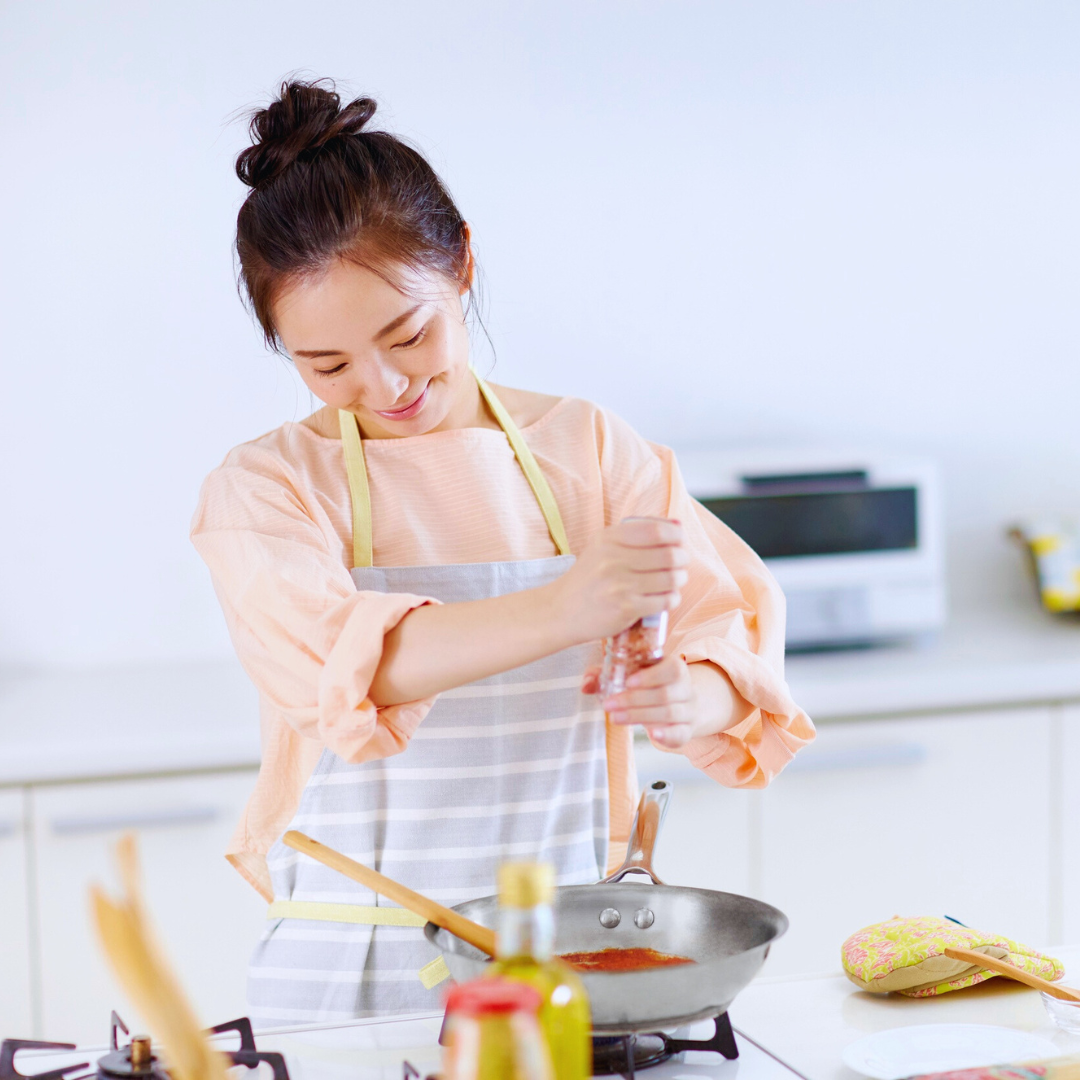
Cooking provides a practical way to build self-confidence by allowing individuals to take control of a task and see tangible results. Successfully preparing a meal reinforces a sense of accomplishment and capability. This direct experience of creating something nourishing boosts confidence as skills improve and challenges are overcome.
The process of cooking also encourages problem-solving and creativity, which further strengthens self-belief. Each step completed, from chopping ingredients to plating the food, offers opportunities to gain mastery. As confidence grows in the kitchen, it often extends into other areas of life.
How Cooking Develops Self-Confidence
Cooking offers clear opportunities for personal growth and skill development. It allows individuals to build confidence by practicing techniques, achieving tangible results, and learning from errors.
Building Cooking Skills Through Practice
Repeatedly preparing meals helps individuals develop technical abilities, such as chopping, seasoning, and timing. Mastery of these skills comes gradually, increasing their comfort level in the kitchen.
As skills improve, so does self-confidence. Successful execution of recipes reinforces a sense of control and competence. This process transforms cooking from a daunting task to an enjoyable activity.
Practicing cooking also sharpens problem-solving as adjustments are needed when ingredients or methods differ. This adaptability further supports confidence in managing new culinary challenges.
Achieving a Sense of Accomplishment
Completing a dish provides a clear, measurable outcome that boosts confidence. Serving a homemade meal to others reinforces a tangible sense of achievement.
The ability to nourish oneself and others creates pride in one’s efforts. This accomplishment translates outside the kitchen, encouraging positive self-perception.
Recognizing progress, such as mastering a recipe or improving presentation, strengthens motivation. These milestones act as concrete evidence of personal growth and developing self-confidence.
Embracing Mistakes as Learning Opportunities
Mistakes in cooking, such as overcooking or missing an ingredient, serve as practical lessons. Viewing errors as part of the learning process reduces fear of failure.
This mindset encourages experimentation and persistence. Each mistake provides information to improve future attempts and cultivates resilience.
Accepting imperfection fosters a healthier relationship with cooking and personal confidence. It emphasizes effort and improvement over flawlessness.
Personal Growth and Emotional Benefits of Cooking
Cooking offers more than just nourishment; it can enhance creativity, patience, and emotional healing. These aspects contribute directly to personal growth by fostering new skills and emotional balance.
Fostering Creativity and Self-Expression
Cooking allows individuals to experiment with ingredients, flavors, and presentation. This process encourages creative thinking and personal expression through unique recipes or adaptations.
By designing meals, people express their tastes and cultural backgrounds. This act promotes a sense of individuality and boosts confidence because they create something original.
The ability to transform raw materials into a finished dish gives a tangible sense of accomplishment. It reinforces problem-solving skills by adjusting recipes based on available resources or preferences.
Encouraging Patience and Mindfulness
Cooking requires attention to timing and detail, demanding focused patience. Monitoring multiple tasks, such as chopping, stirring, and timing, cultivates a calm, deliberate approach to work.
Practicing mindfulness through cooking helps reduce stress by engaging the senses fully: smell, sight, taste, and touch. This focused presence improves mental clarity and emotional regulation.
Waiting for dough to rise or sauces to thicken teaches delayed gratification. Regular practice builds resilience and encourages an intentional, slower pace in daily life.
Supporting Healing and Resilience
The act of cooking can serve as therapy by providing structure and routine during recovery from emotional distress. Preparing meals restores a sense of control and stability.
Engaging in cooking projects shifts focus from negative thoughts to productive tasks. This redirection fosters resilience by offering repeated success experiences.
Sharing home-cooked meals promotes social bonds, which enhance emotional support. Together, these benefits aid mental health and contribute to ongoing personal growth.
Cooking as a Tool for Mental Health and Self-Care
Cooking can have practical benefits beyond preparing food. It supports mental well-being, fits into self-care routines, and encourages healthier eating.
Boosting Mental Well-Being and Stress Relief
Engaging in cooking requires focus on tasks like chopping, mixing, and timing, which can act as a form of mindfulness. This process helps reduce stress by diverting attention from worries.
The sensory experience of handling ingredients and aromas can also boost mood. Creating a home-cooked meal provides a sense of achievement that elevates confidence and mental health.
Additionally, routine cooking can establish stability in daily life. This reduces feelings of chaos and supports emotional balance, especially for those facing anxiety or depression.
Incorporating Cooking Into a Self-Care Routine
Integrating cooking into a self-care routine involves planning simple, enjoyable meals. Preparing food at home allows control over ingredients, which supports physical and mental health.
Setting aside regular time for cooking encourages breaks from electronic devices and work. This dedicated time promotes relaxation and personal focus.
Cooking with intention, such as trying new recipes or creating favorite dishes, fosters a positive connection with oneself. It shifts the focus toward nurturing and self-respect.
Cultivating Healthy Eating Habits
Cooking at home reduces reliance on processed foods, which often contain additives and extra sugar. Preparing meals from scratch makes it easier to choose whole ingredients and control portions.
Healthy eating supports mental health by stabilizing energy and mood. Nutrient-rich foods from home-cooked meals can improve brain function, enhancing clarity and focus.
Establishing cooking as a habit forms a foundation for long-term wellness. People who cook regularly tend to maintain balanced diets and feel more empowered in their food choices.