
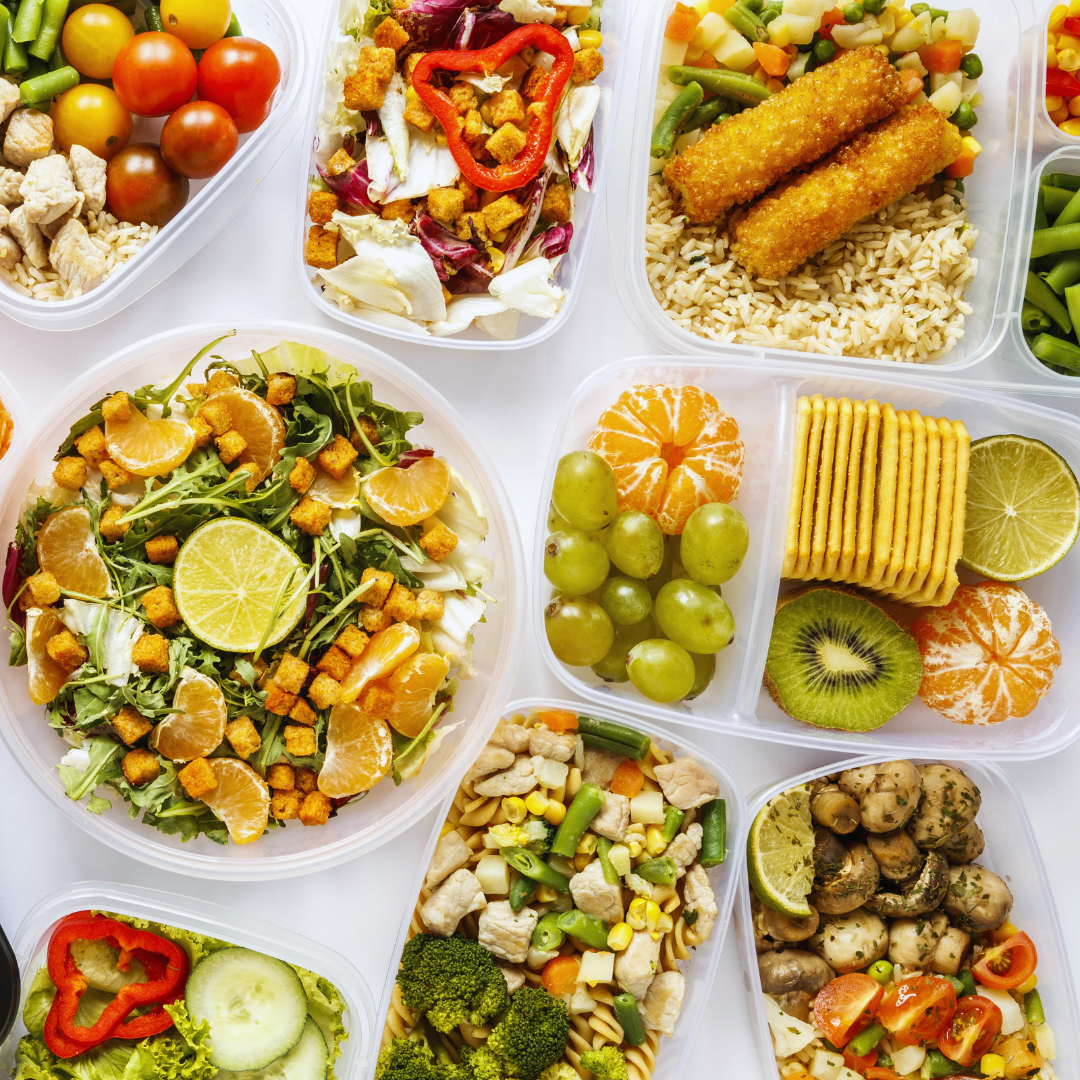
Finding time to cook during a busy week can be challenging. Meal prepping is an effective strategy to save time, reduce stress, and ensure healthy eating. By dedicating a few hours on the weekend to plan and prepare meals, individuals can enjoy a variety of nutritious options throughout the week without the hassle of daily cooking.
Effective meal planning provides a roadmap for what to eat each day, helping to eliminate last-minute decisions that often lead to unhealthy choices. With a thoughtful approach, it is possible to prepare multiple dishes in advance, ensuring there are always ready-to-eat meals available. By organizing ingredients and planning recipes, one can streamline the cooking process and make it more manageable.
Ultimately, meal prep not only saves time but can also promote healthier eating habits by reducing reliance on takeout and convenience foods. Those who implement these practices often find that they not only eat better but also enjoy the process of cooking more when it becomes less hectic.
Essentials of Meal Prepping
Meal prepping is a strategic approach that can make a busy week more manageable. By understanding its core concepts and recognizing its benefits, one can create a sustainable meal planning routine.
Understanding Meal Prep
Meal prep involves preparing meals in advance, commonly known as batch cooking. This practice allows individuals to cook larger quantities of food at once, saving time during the week. Key steps include selecting recipes, organizing ingredients, and allocating time for cooking.
Common meal prep methods include:
- Batch cooking: Cooking multiple servings of a single recipe.
- Ingredient prep: Washing, chopping, and portioning ingredients ahead of time.
- Pre-made components: Preparing base ingredients, like grains or proteins, for quick assembly.
Planning recipes that share ingredients can reduce waste. Labeling containers with meal names and dates ensures proper storage and helps in keeping track of freshness.
Benefits of Meal Planning
Meal planning offers numerous advantages. It promotes healthier eating habits by minimizing reliance on convenience foods. With meals prepared in advance, individuals are less likely to choose unhealthy options due to time constraints.
Some notable benefits include:
- Time savings: Reduces daily cooking time.
- Cost efficiency: Helps in budget management by buying in bulk and reducing food waste.
- Nutritional control: Facilitates portion control and balanced meals.
Individuals can adjust portion sizes and ingredients to suit their dietary needs. By planning meals, they can ensure a more consistent intake of nutrients throughout the week, leading to better energy levels and overall well-being.
Building Your Meal Prep Menu
Creating a meal prep menu requires thoughtful planning focused on recipe selection and the inclusion of fresh ingredients. This ensures a balanced, nutritious week without sacrificing taste or variety.
Selecting Recipes
Choosing the right recipes is crucial for effective meal prepping. Prioritize meals that share common ingredients to reduce waste and save time. For instance, using chicken in different ways—grilled, stir-fried, or in salads—provides variety while simplifying shopping.
Consider meal types: breakfast options like overnight oats, lunch salads, and dinner casseroles can create a balanced week. Aim for recipes that can be easily batch-cooked and stored. Here’s a simple list of ideas:
- Breakfast: Overnight oats, smoothie packs
- Lunch: Quinoa salads, grain bowls
- Dinner: Stir-fries, slow-cooked stews
It’s beneficial to try at least one new recipe each week to keep things interesting.
Incorporating Fresh Ingredients
Fresh ingredients enhance flavor and nutrition in meal prep. Focus on seasonal produce as it tends to be more affordable and flavorful. Incorporating vegetables like spinach, zucchini, and bell peppers adds color and nutrients.
When selecting proteins, opt for lean meats, legumes, and eggs for variety. Keep herbs and spices on hand to elevate flavors.
Tips for freshness:
- Store chopped vegetables in airtight containers.
- Use larger quantities of perishables, like fresh herbs, to extend their life.
- Incorporate dips or dressings separately to maintain freshness in salads and bowls.
Making the effort to include fresh ingredients will improve meal satisfaction throughout the week.
Practical Meal Prepping Strategies
Meal prepping can be simplified through effective batch cooking techniques and a focus on balancing nutrition. These strategies help save time and ensure meals are nutritious and satisfying throughout the week.
Batch Cooking Techniques
Batch cooking involves preparing multiple portions of recipes in one go. This method saves time and reduces the hassle of daily cooking. A useful strategy is to choose a few versatile recipes each week that can be mixed and matched.
- Base Ingredients: Cook large quantities of grains like rice or quinoa to serve as meal bases.
- Proteins: Grill or roast chicken, fish, or beans for protein-rich additions.
- Vegetables: Roast a variety of vegetables to add flavor and texture.
Containers should be divided into portions, ensuring meals are ready to grab and go. For snacks, consider making yogurt parfaits with yogurt and fruit in a batch.
Balancing Nutrition
Creating balanced meals ensures nutritional needs are met. This can be achieved by incorporating food groups into each meal.
- Protein: Choose lean meats, legumes, or dairy.
- Carbohydrates: Add whole grains for sustained energy.
- Fruits and Vegetables: Aim for colorful options to maximize vitamins and minerals.
By preparing snacks like homemade cookies using oats and nuts, one can keep cravings at bay while remaining health-conscious. Meal prepping not only provides convenience but also supports a balanced diet with minimal effort during a busy week.
Maintaining Your Meal Prep Routine
Consistency is key to effectively maintaining a meal prep routine. Properly storing and organizing meals will prolong their freshness and make it easier to adapt to a hectic schedule.
Storing and Organizing Prepared Meals
To ensure meals stay fresh, use airtight containers made of glass or BPA-free plastic. Label each container with the meal name and date to keep track of freshness.
Store items in the refrigerator for weekly consumption, while longer-lasting meals can go in the freezer. Use the FIFO method (First In, First Out) to consume older meals first, reducing waste.
Consider creating a dedicated meal prep area in the kitchen. This organization will streamline the process, making it easier to grab meals when needed. A clear layout can also enhance efficiency during the weekly cooking sessions.
Adapting to a Busy Lifestyle
Life can become unpredictable. To maintain meal prep, plan for busy days with simple meals that require minimal effort.
Incorporate versatile ingredients that can be used across multiple dishes. For example, grilled chicken can be included in salads, wraps, or stir-fries, reducing the need for extra cooking.
Batch cooking can save time and energy. On less busy days, prepare meals in larger quantities and portion them out. Using a slow cooker or Instant Pot can also expedite the cooking process.
Keeping a flexible mindset allows for adjustments based on weekly demands. Prioritize meals that require little prep on the busiest days and gradually build towards larger prep sessions when time permits.